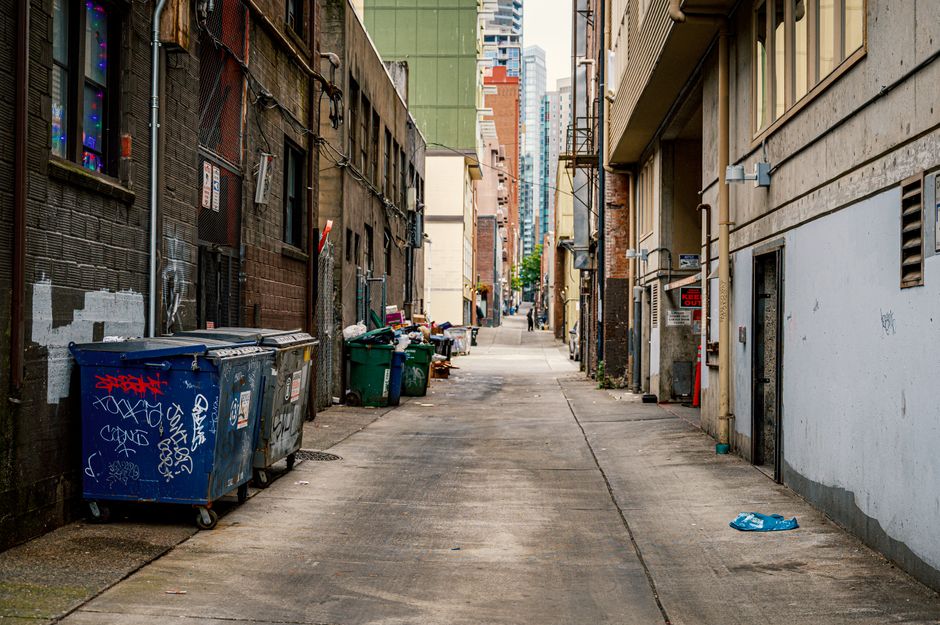
Richmond narrow lane rubbish removal solutions

Narrow lanes can turn a simple clear-out into a proper headache. In Richmond, that might mean a terraced street with limited parking, a mews-style access route, a shared driveway, or a cul-de-sac where a big vehicle simply cannot swing in without blocking everyone else. That is where Richmond narrow lane rubbish removal solutions come in: a practical, safe, and efficient way to clear waste when access is tight and timing matters.
Whether you are dealing with old furniture, bagged household junk, builders' waste, or a garage that has quietly become a storage unit for three generations of "might come in handy" items, the challenge is often not the rubbish itself. It is getting it out without upsetting neighbours, causing damage, or wasting half the day shuffling bins and bags down a lane that feels about two feet wide. This guide breaks down how narrow-access rubbish removal works, what to watch for, and how to choose the right approach for a Richmond property.
Truth be told, the best solution is rarely just "send a bigger lorry." It is usually a mix of planning, the right team, careful loading, and sensible compliance. Let's get into it.
Why Richmond narrow lane rubbish removal solutions Matters
Richmond has plenty of attractive residential streets, older housing stock, and access routes that were never designed for modern bulky-waste logistics. That is not a criticism; it is just reality. Some homes sit behind railings or in tight terraces. Others have restricted parking, resident bays, or access lanes that can be awkward even for a small van. Add in neighbours coming and going, cyclists, delivery drivers, and the occasional impatient horn, and you can see why a narrow-lane plan matters.
Good rubbish removal in these conditions is about more than convenience. It helps protect walls, gates, paving, and parked vehicles. It also reduces the chance of complaints and keeps the job moving without blocking the lane longer than necessary. If you have ever watched two people try to turn a mattress around a corner the width of a dining table, you will understand the point immediately.
There is also a trust angle here. Narrow-access work often requires more judgement than standard kerbside collections. A team needs to decide what can be carried by hand, what needs to be dismantled, how to stage items safely, and when a property needs an earlier or later collection slot to avoid traffic pinch points. That kind of thinking is what separates a tidy job from a messy one.
Expert takeaway: In tight Richmond lanes, the "best" rubbish removal solution is usually the one that minimises disruption, avoids damage, and keeps the route clear for everyone else. Speed matters, but planning matters more.
How Richmond narrow lane rubbish removal solutions Works
In practice, narrow-lane rubbish removal usually starts with an access check. The crew needs to understand whether a van can reach the property, where it can safely stop, how far items must be carried, and whether there are steps, turns, or low walls in the way. Simple enough on paper. In real life, the details decide the job.
For many Richmond properties, the process looks something like this:
- Initial assessment: A description, photos, or a brief visit helps identify access issues, item types, and the likely volume of waste.
- Route planning: The team works out the best approach for loading, walking distance, and any parking considerations.
- Preparation: Items may be separated into categories such as reuse, recycling, and general disposal. Fragile routes are protected where needed.
- Removal: Waste is carried out in manageable loads, often by hand or with compact equipment rather than large containers.
- Sorting and disposal: Recyclable and reusable materials are separated where possible, then the remainder is taken for appropriate processing.
Depending on the job, you may also see a few practical extras: dismantling of furniture, bagging loose waste, or removing items in stages so stairways and passageways do not get blocked. Small touches like this can make a huge difference, especially in older Richmond homes where hallways are narrow and the front door opens straight onto the pavement.
If the clearance includes household items, you may want to look at related services such as house clearance, flat clearance, or home clearance depending on the size and layout of the property. For larger furniture, furniture clearance and furniture disposal are often the most practical fit.
Key Benefits and Practical Advantages
Narrow-lane rubbish removal is not just a workaround. Done properly, it gives you a cleaner result and fewer headaches. Here are the main advantages people usually notice first.
- Less disruption: Smaller access plans can reduce blocked driveways, lane congestion, and neighbour complaints.
- Lower risk of damage: Careful carrying and better route planning help protect walls, plants, vehicles, and paving stones.
- Better timing: Jobs can often be scheduled around school runs, loading restrictions, or the quietest part of the day.
- More flexibility: Tight access does not have to prevent a full clearance. It just changes the method.
- Improved sorting: When items are handled deliberately, it is easier to separate recyclables and reusable goods.
There is a quieter benefit too: peace of mind. You know the job has been thought through. That matters when the last thing you want is a van idling in the wrong spot while someone tries to wrestle a broken wardrobe through a passageway at 8:30 in the morning. Not ideal.
From a sustainability point of view, careful loading can support better recycling outcomes. If you are sorting items anyway, it may be worth reading about recycling and sustainability so you can make better decisions about what stays, what is reused, and what needs disposal.
Who This Is For and When It Makes Sense
These solutions are a strong fit for anyone dealing with limited vehicle access, awkward frontage, or shared spaces. In Richmond, that often includes people living in terraced houses, maisonettes, converted flats, and homes near busier roads where stopping space is limited. It is also common after decorating, a garden overhaul, a loft sort-out, or a move where the last few large items are too much for a standard car boot run.
It makes sense when:
- the lane is too narrow for a full-size vehicle to sit comfortably outside
- there is no driveway or private loading area
- items need to be carried through a hallway, side return, or shared passage
- you want a quick removal without the faff of hiring a skip
- the waste includes bulky items that are awkward to move alone
For some jobs, specialist support is the smarter route. Builders' waste, for example, can be better handled through builders' waste clearance. Office moves and file disposal are often a fit for office clearance or confidential shredding. And if the problem is simply too much clutter across several rooms, a broader flat clearance or home clearance may be the cleaner answer.
Sometimes the trigger is time. Sometimes it is stress. Sometimes you just cannot keep living around stacked boxes and an old sofa that has somehow become part of the furniture. Fair enough, really.
Step-by-Step Guidance
If you want a smooth result, the workflow matters. Here is the simple version that tends to work best in narrow Richmond lanes.
1. Describe the access properly
Do not just say "tight street." Mention whether there is on-street parking, a side gate, steps, a shared alley, or a loading restriction. If you can, send photos. One quick photo can save a lot of back-and-forth later.
2. Separate the obvious categories
Before collection day, split items into groups such as furniture, appliances, bags of mixed waste, garden waste, and recycling. This helps with loading order and disposal planning. It also avoids that awkward last-minute "oh, that was meant to go to the tip" moment.
3. Measure awkward items
Large wardrobes, mattresses, sofa sections, and white goods are the usual troublemakers. Measure them if you are unsure whether they fit through the route from room to van. For mattresses and sofas, a dedicated service such as mattress and sofa disposal can be a better fit than trying to improvise.
4. Clear the access path
Move small obstacles first: plant pots, doormats, bikes, recycling boxes, and bins. If the crew arrives to find the path already clear, the whole job tends to go faster and with fewer surprises.
5. Confirm what happens to the waste
Ask how items will be handled after collection. Reuse, recycling, and responsible disposal should not be afterthoughts. If appliances are involved, fridge and appliance removal may also be relevant because white goods can need separate handling.
6. Plan the timing around the street
Morning school traffic, bin days, and resident parking can all complicate access. A slightly later or earlier slot may make the difference between a calm load-out and a stressful one. Little things, but they matter.
Expert Tips for Better Results
Here is the kind of advice that usually comes from doing this work the hard way a few times.
- Use bags for loose material: Small loose items are a nightmare in narrow routes. Bag them before the team arrives.
- Break down furniture where possible: Flat-pack parts, detachable legs, and removed doors can save space and reduce scraping.
- Keep fragile items separate: Glass, mirrors, and ceramics should not be mixed with heavy rubble or metal scraps.
- Be honest about the volume: Underestimating the amount of waste can lead to a second visit, which nobody wants.
- Check stair widths and door swings: Those few inches matter more than people expect.
- Think about recycling at source: Cardboard, clean timber, and some metal can often be sorted more easily if you separate them early.
One small but useful habit: leave the front path lights on if the collection starts at dusk or in darker winter weather. It sounds obvious, but on a grey Richmond evening, visibility drops quicker than you think. And yes, someone always forgets the one lamp that actually points at the gate.
For mixed household items, the waste removal overview can help you understand broader disposal options before the job begins. If you are clearing outdoor spaces too, garden clearance is often worth considering alongside the main collection.
Common Mistakes to Avoid
Most problems in narrow-lane rubbish removal come from assumptions. People assume the van will fit, the items will go through the gate, or the collection will be simple because it is "just a few things." Then the day arrives, and things get less simple very quickly.
- Not mentioning access issues early: This is probably the biggest one. Share the tight spots up front.
- Leaving items unbagged or scattered: Loose rubbish slows everything down and creates avoidable mess.
- Forgetting about parking restrictions: A good plan can unravel fast if the vehicle cannot stop legally or safely.
- Mixing hazardous items with general waste: Some materials need separate handling and should never be shoved into a mixed pile.
- Assuming all bulky items are the same: A mattress is not a fridge, and a wardrobe is not a pile of cardboard. Each item behaves differently during removal.
Another common issue is overpacking bags. Heavy, overstuffed sacks are awkward in tight spaces and can split at the worst possible moment. There is nothing glamorous about chasing wet garden waste down a lane while apologising to a neighbour's hedge. Avoid that scene if you can.
If you are unsure about tricky materials, review hazardous waste disposal and keep anything uncertain well away from general rubbish until it has been identified properly.
Tools, Resources and Recommendations
You do not need specialist equipment to prepare for a narrow-lane clearance, but a few practical tools help a lot.
| Tool or resource | Why it helps | Best use |
|---|---|---|
| Phone camera | Shows access width, steps, and item condition clearly | Before booking and on the day if anything changes |
| Measuring tape | Confirms whether large items fit through doors or passageways | Furniture, appliances, and stairwells |
| Strong bags or boxes | Keeps loose waste contained | Household clutter, small mixed items, and recyclables |
| Gloves | Protects hands from rough edges and dirt | Pre-sorting and light prep |
| Labelled piles | Makes collection faster and more organised | Separate recycling, keep, and remove items |
For pricing questions, the pricing and quotes page is a useful starting point. If you prefer a more convenient booking route, book online can save a bit of time. And if you want background on the people doing the work, the about us page is worth a look.
One thing to keep in mind: a narrow lane often changes the pricing logic. Access time, carrying distance, item weight, and loading constraints can all affect how a quote is built. That is normal, not a trick. A transparent quote should explain what is included and what is not.
Law, Compliance, Standards, or Best Practice
For rubbish removal in the UK, the main thing to remember is that waste should be handled responsibly by people who are properly set up to collect, transport, and dispose of it. In everyday terms, that means checking insurance, understanding what can and cannot be taken, and using disposal routes that match the type of waste involved. If in doubt, ask before the collection starts.
Best practice also matters in narrow lanes because safety and neighbour relations are part of the job. Good operators should think about manual handling, trip hazards, route safety, vehicle positioning, and keeping shared access as clear as possible. If a lane is genuinely too tight, the sensible answer may be a smaller vehicle, more hand-carrying, or a staged collection rather than forcing an awkward manoeuvre. Sometimes the safest option is also the fastest one, which sounds backwards until you have watched a van try to reverse around a corner that was never meant for vans.
For specialist waste, compliance becomes even more important. Electrical items, fridges, batteries, mixed builders' waste, and anything potentially hazardous need proper separation and care. You can also review our health and safety policy and insurance and safety information if you want to understand how a professional service approaches risk. For businesses, business waste removal may be the more suitable route.
On the customer side, a little preparation goes a long way. Clear access, accurate descriptions, and honest item lists make the whole process smoother. That is not red tape. It is just good practice.
Options, Methods, or Comparison Table
There are a few ways to deal with rubbish in a tight Richmond lane, and the right choice depends on access, volume, urgency, and item type. Below is a simple comparison to help you think it through.
| Method | Best for | Pros | Trade-offs |
|---|---|---|---|
| Hand-carried rubbish removal | Small to medium loads in tight access areas | Flexible, precise, minimal space needed | Can take longer if items are heavy or spread out |
| Compact vehicle collection | Restricted streets with limited stopping space | Good balance of capacity and manoeuvrability | May still require careful parking planning |
| Skip hire | Projects with lots of waste and predictable access | Convenient for ongoing DIY or renovation work | Not ideal where a skip cannot be placed safely or legally |
| Bag-based staged collection | Gradual clear-outs or properties with no room for a skip | Flexible and easy to control | Needs good bag quality and sensible weight limits |
For many Richmond narrow-lane jobs, hand-carry plus a compact vehicle is the sweet spot. It is not glamorous, but it works. If the project is garden-focused, garden clearance may be the better route. If you are clearing a loft, loft clearance can save a lot of guesswork about carrying routes and load planning.
Case Study or Real-World Example
Imagine a terraced home in Richmond with a narrow side return and no driveway. The owner needs to clear an old sofa, a broken chest of drawers, several bin bags of household clutter, and a fridge from the kitchen. A standard collection vehicle cannot comfortably block the street for long, because parking is tight and neighbours still need access.
The practical solution is simple but careful. The team confirms the access width from photos, checks the fridge route through the kitchen and hallway, and asks the owner to keep the front path clear. On the day, the items are removed in stages: bags first, then dismantled furniture, then the appliance last. The sofa is handled through the front door rather than forced around a tight bend in the hallway, which saves a lot of scratching and swearing. A bit of both, frankly.
The job finishes in a short window because the route was planned properly. There is no damage to the walls, no blocked neighbour driveway, and no extra panic about where the fridge should go. That is what good narrow-lane rubbish removal looks like: calm, predictable, and neat. Not fancy. Just effective.
In a real Richmond setting, the same thinking applies to garage clearance, office clearance, and even home clearance when access is awkward and you want the least disruption possible.
Practical Checklist
Use this checklist before booking or collection day. It keeps things simple.
- Measure the narrowest access point, including gates, hallways, and stair turns.
- Take clear photos of the route and the items to be removed.
- Separate furniture, appliances, bags, and recycling where possible.
- Check for parking restrictions or resident permit issues.
- Move cars, bikes, bins, and plant pots out of the access path.
- Flag anything fragile, heavy, wet, sharp, or potentially hazardous.
- Ask how recycling and disposal will be handled.
- Confirm timing so the collection avoids the busiest part of the street.
- Keep children and pets away from the working route on the day.
- Have a contact number ready in case the crew needs a quick clarification.
If you tick most of those boxes, the job is usually much smoother. Simple as that.
Conclusion
Richmond narrow lane rubbish removal solutions are really about making awkward spaces feel manageable. With the right plan, narrow access does not have to mean stress, delays, or damage. It just means the job needs a little more thought, a little more care, and a team that knows how to work around real-world constraints.
Whether you are clearing a flat, a family home, a garage, or a stack of old furniture, the main things to remember are straightforward: describe the access properly, separate the waste sensibly, and choose a method that fits the lane rather than forcing the lane to fit the method. That small shift in approach can save a surprising amount of hassle.
Get a free quote today and see how much you can save.
And if you are standing in a doorway looking at the pile and thinking, "Where do I even start with this?", start with the access. That is usually the whole game.
Frequently Asked Questions
What are Richmond narrow lane rubbish removal solutions?
They are rubbish removal methods designed for streets, lanes, and access routes that are too tight for standard collections to work well. The focus is on hand-carrying, compact vehicles, careful planning, and minimal disruption.
Can rubbish be removed from a lane with no driveway?
Yes, in many cases it can. The team may need to park nearby and carry items by hand, but lack of a driveway does not automatically rule out a removal.
How do I know if my street is too narrow for a normal collection?
If a vehicle would block traffic, cannot turn safely, or cannot stop near the property without causing problems, you likely need a narrow-access approach. Photos usually help a lot.
Do I need to separate items before collection?
It is not always required, but it helps. Separating furniture, bags, appliances, and recyclables can speed up the job and reduce confusion on the day.
What types of waste are hardest to remove in narrow lanes?
Large wardrobes, sofas, fridges, wet garden waste, and mixed builders' waste are usually the trickiest because they are bulky, heavy, or awkward to carry safely.
Is narrow-lane rubbish removal more expensive?
Sometimes it can be, depending on access, carrying distance, weight, and the amount of labour involved. A transparent quote should explain the factors clearly.
Can you remove appliances from a tight Richmond property?
Yes, often you can. Fridges and other appliances may need special handling, so it helps to mention them in advance and use a service that deals with them properly.
What should I do before the team arrives?
Clear the path, move vehicles if needed, bag loose items, and make sure the access route is visible. A few minutes of prep can save a lot of time later.
Are there rules about what can go in a waste collection vehicle?
Yes. Certain items such as hazardous materials, batteries, and some chemicals need special handling. If you are unsure, ask before the collection day rather than guessing.
Can narrow-lane rubbish removal help with house clearances too?
Absolutely. It is often used for house clearance, flat clearance, loft clearance, garage clearance, and furniture disposal where access is limited.
How quickly can a narrow-access collection happen?
It depends on scheduling, the volume of waste, and how complex the access is. Smaller jobs can sometimes be handled quickly, but good planning makes the biggest difference.
What is the safest way to deal with heavy items in a narrow lane?
Use proper lifting technique, keep the route clear, and avoid overloading bags or trying to force large items through tight turns. If an item is too awkward, dismantling may be the smarter option.