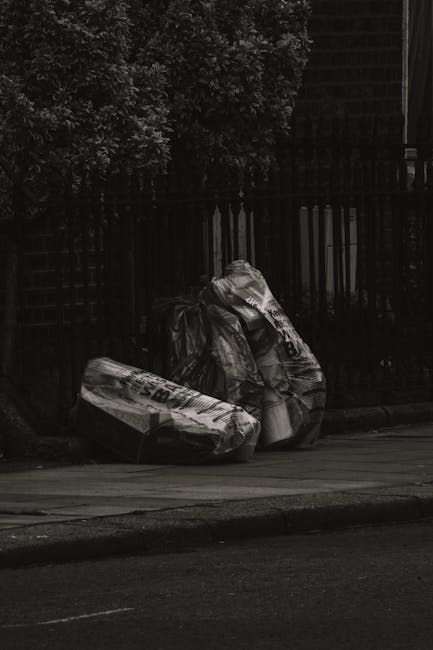
TW9 rubbish clearance for terraced homes near Richmond Station
If you live in a terraced house in TW9 and the pile-up starts creeping into the hallway, yard, loft, or front room, you already know the problem is rarely just "a bit of rubbish." It is usually tight access, awkward stairs, shared boundaries, limited parking, and the mild panic of trying to move a sofa through a narrow Victorian passage without scraping the paint. That is exactly where TW9 rubbish clearance for terraced homes near Richmond Station becomes useful: quick, tidy, and planned around the reality of local homes rather than a generic one-size-fits-all approach.
In this guide, we'll walk through how rubbish clearance works in TW9, what terraced-home owners near Richmond Station should think about before booking, the common pitfalls to avoid, and the most practical ways to save time, stress, and unnecessary trips. If you want the service side as well, it can help to browse waste removal options, compare pricing and quotes, or learn more about the company on the about us page.
Contents
- Why TW9 rubbish clearance for terraced homes near Richmond Station Matters
- How TW9 rubbish clearance for terraced homes near Richmond Station Works
- Key Benefits and Practical Advantages
- Who This Is For and When It Makes Sense
- Step-by-Step Guidance
- Expert Tips for Better Results
- Common Mistakes to Avoid
- Tools, Resources and Recommendations
- Law, Compliance, Standards, or Best Practice
- Options, Methods, or Comparison Table
- Case Study or Real-World Example
- Practical Checklist
- Conclusion
- Frequently Asked Questions
Why TW9 rubbish clearance for terraced homes near Richmond Station Matters
Terraced homes around Richmond Station come with a very particular set of challenges. The streets are busy, the parking can be tight, and access is often narrower than people expect. One bulky item in a modern driveway is manageable; three bags, an old wardrobe, and a broken chest of drawers in a terraced hallway? Different story entirely.
Rubbish builds up for all the usual reasons. A loft gets cleared after years of storage. A tenant moves out. A kitchen gets refreshed. Someone finally decides the garage is not a storage unit for six Christmases' worth of boxes. In TW9, those jobs often happen in properties where stairs are steep, front gardens are small, and a neighbour's fence is closer than you'd like. So the service matters not only because it removes waste, but because it solves a logistics problem.
There is also a practical comfort factor. A clear home is easier to clean, easier to sell, easier to rent, and easier to live in. That sounds obvious, but in a terraced house it can make a real difference. Hallways feel wider. Natural light reaches more of the space. You stop mentally tripping over the pile in the corner every time you walk in with shopping.
Expert takeaway: In terraced homes near Richmond Station, good rubbish clearance is less about "taking stuff away" and more about planning the route, the timing, and the load so the job is tidy from start to finish.
How TW9 rubbish clearance for terraced homes near Richmond Station Works
At its simplest, rubbish clearance means collecting unwanted items from your property and disposing of them responsibly. For terraced homes, though, the process usually starts with access planning. That is the bit people miss. If the front path is narrow, if the stairwell bends tightly, or if there is only a short parking window, the collection method needs to work around that.
Typically, the process follows a few stages:
- Initial assessment - You explain what needs removing, where it is located, and whether there are any access issues, such as steps, basement areas, shared entrances, or limited parking.
- Loading plan - The team decides how the waste will be moved out safely and efficiently. In a terraced property, this can mean using more careful handling rather than brute force. Which is a relief, frankly.
- Collection day - Items are removed from the property, usually sorted as they go where possible. If there are bulky items, the team may dismantle them first.
- Sorting and disposal - Reusable, recyclable, and non-recyclable items are separated so disposal is more responsible and efficient.
For certain jobs, it helps to think beyond one-off rubbish removal and consider a broader service. If your clearance includes accumulated household clutter, old furniture, or mixed contents from several rooms, a home clearance or house clearance approach can be more appropriate than a simple single-item collection.
A lot depends on what you are clearing. A few black bags and a broken shelving unit are straightforward. A mix of old appliances, sofas, and loft debris is different. And if the waste includes items such as fridge units or mattresses, it makes sense to use the relevant specialist pages like fridge and appliance removal or mattress and sofa disposal.
Key Benefits and Practical Advantages
The obvious benefit is having the rubbish gone. But the real value is in how much smoother the whole process becomes when it is done properly. In a terraced home near Richmond Station, that usually means less disruption and fewer surprises.
- Less physical strain - No wrestling heavy items down stairs or across narrow landings.
- Faster turnaround - Useful if you are between tenants, preparing a sale, or trying to get a room back into use quickly.
- Better use of limited space - Terraced homes often need every square metre to work harder.
- Cleaner results - Proper clearance is usually tidier than a rushed DIY job.
- More suitable for awkward access - That matters more than people realise in TW9.
- Improved peace of mind - You are not left wondering whether the waste was handled properly.
Another quiet advantage is decision-making speed. Once you have a clear plan for clearing the property, other tasks become easier too. Decorating, flooring, decluttering, and moving furniture around all start to feel less daunting. The room is simply easier to work with.
If the job is part of a larger move or renovation, it may also help to look at related services like flat clearance, furniture clearance, or builders waste clearance, depending on what is actually on site.
Who This Is For and When It Makes Sense
This kind of clearance is useful for a broad mix of people, not just those doing a full house reset. In practice, the most common situations are pretty down-to-earth.
- Homeowners decluttering before a sale - First impressions matter, and clutter can make a terraced property feel smaller than it is.
- Landlords and letting agents - End-of-tenancy clearances often need to happen quickly and with minimal hassle.
- Families dealing with inherited property contents - These jobs can be emotional as well as practical. A bit of care goes a long way.
- People renovating older homes - Terraced properties often uncover more waste than expected once cupboards, lofts, and outhouses are opened up.
- Busy households with no time for tip runs - Let's face it, few people have a spare Saturday for three separate journeys in and out of town.
It also makes sense when the waste is awkward rather than just large. For example, a hallway packed with broken furniture, a shed full of damp cardboard, or a loft with decades of mixed storage needs more than a standard bin day. If you're clearing a garage, garden, or office at the same time, related services like garage clearance, garden clearance, and office clearance can be useful references too.
Truth be told, the best time to book is before the pile becomes a daily annoyance. Once things start blocking access, gathering dust, or attracting moisture, the job usually feels bigger than it really is.
Step-by-Step Guidance
If you want the process to go smoothly, a bit of preparation helps. Not much. Just enough to avoid the "where did we put that one item?" scramble five minutes before collection.
- Walk through the property
Check every room, loft, cupboard, and outdoor storage spot. Don't forget the spaces people ignore, like under-stair cupboards or the back of the shed. - Separate obvious keep items
Move passports, documents, chargers, keys, medicines, and sentimental items away from the clearance zone. It sounds basic, but it saves headaches. - Group the waste by type
Furniture, general rubbish, appliances, garden waste, and building debris are easier to handle when grouped sensibly. - Note access constraints
Steep stairs, narrow hallways, resident permits, timed parking, or shared entrances should be mentioned early. - Check item condition
Some items may be reusable or recyclable; others may need specialist disposal. If you have hazardous items, do not mix them in with general waste. - Confirm the collection details
Make sure everyone knows the time window, the point of access, and any building instructions. - Follow up after clearance
Do a final sweep of cupboards and window sills. In many homes, one rogue lamp or paint tin always survives the first pass. Always.
If you want to understand more about what can be taken in different loads, the site's what can go in a skip guide is a useful companion read, especially when you are comparing disposal methods.
Expert Tips for Better Results
A few small choices can make a surprisingly big difference to the result. This is where local experience matters. Terraced homes are not difficult in themselves, but they reward planning.
- Clear the front path first - Even a narrow opening gets more manageable when shoes, plant pots, and recycling boxes are out of the way.
- Keep fragile items away from the main route - A small shelf of ornaments can become collateral damage if it sits beside a moving lane.
- Be honest about the volume - If you understate the amount, the whole plan can wobble.
- Ask about recycling - A responsible provider should be able to explain how materials are sorted and where reusable items may go.
- Combine related jobs where it makes sense - For example, a house clearance and furniture disposal task is often more efficient as one job than two separate ones.
- Think about timing - Midweek collections can sometimes be easier than weekend slots if you are juggling parking or neighbours.
One simple tip that people forget: take photos before the clearance if you need them for landlords, agents, insurers, or your own records. A quick phone photo can save a lot of back-and-forth later. Not glamorous, but useful.
If the job includes bulky seating or worn-out mattresses, specialist routes can help. See mattress and sofa disposal for those awkward oversized bits that never seem to fit where you need them to.
Common Mistakes to Avoid
Most clearance problems are avoidable. The same mistakes keep appearing, and they are nearly always simple ones.
- Leaving access planning until the last minute - In a terraced property, this is usually the biggest headache.
- Assuming everything counts as general waste - Mixed loads can include items that need separate handling.
- Forgetting parking restrictions - Near Richmond Station, this can turn a tidy plan into a frustrating wait.
- Not protecting shared areas - Hallways, stairs, and door frames deserve a bit of care.
- Overfilling a room before the team arrives - If items are stacked precariously, removal takes longer and becomes riskier.
- Skipping the final check - It's always the small cupboard item, isn't it?
Another easy mistake is booking a solution that is too narrow for the real job. If you need a whole property cleared, a single item service may not be the most efficient fit. On the other hand, if the job is only one bulky sofa, a full clearance could be overkill. Matching the service to the actual load matters.
Tools, Resources and Recommendations
You do not need a van full of tools to prepare for rubbish clearance, but a few simple things help the process run better. Practical, not fancy.
- Heavy-duty bags or sacks - Useful for loose rubbish, soft items, and smaller debris.
- Marker pens and labels - Handy if you want to mark keep, donate, and remove piles.
- Basic gloves - Good for a pre-clearance sort, especially in lofts or garages.
- Measuring tape - Helpful if you are checking whether furniture will fit through a doorway or stair turn.
- Phone camera - Great for inventory, records, and getting an accurate quote conversation started.
For households with sensitive paperwork mixed into their clearance, confidential shredding is a useful related service to consider. And if old appliances are taking up space, it is worth looking at fridge and appliance removal rather than trying to move heavy units yourself.
If your concern is environmental responsibility, read more about the company's approach to recycling and sustainability. That page is especially relevant if you want reassurance that items are being handled with an eye on reuse and diversion from landfill where possible.
Law, Compliance, Standards, or Best Practice
With rubbish clearance, the safest approach is to follow normal UK waste-handling best practice and use a provider that can explain how waste is managed. You do not need to become a compliance expert overnight, but you should expect basic professionalism.
That usually means a few things:
- Waste should be collected and handled responsibly, with sensible sorting where appropriate.
- Hazardous items should be treated separately rather than mixed with ordinary household waste.
- Electricals and appliances should be dealt with carefully, especially if they contain refrigerants or require specialist disposal.
- Shared access areas should be treated respectfully so neighbours are not left with damage or mess.
- Insurance and safety matters, particularly in stair-heavy terraced properties where items can snag or fall.
If a job involves sharp objects, heavy items, damp waste, or anything potentially risky, the clearance team should take a cautious approach. That sounds obvious, but it is worth saying. Safe handling is not a bonus; it is the baseline.
You may also want to check the company's insurance and safety information and read the health and safety policy before booking. For business customers, the business waste removal page can be useful where domestic and commercial waste overlap.
Options, Methods, or Comparison Table
Different clearance methods suit different situations. There is no single perfect answer. The right choice depends on volume, access, urgency, and how much lifting you want to avoid.
| Method | Best for | Pros | Watch-outs |
|---|---|---|---|
| DIY tip run | Small, manageable loads | Simple if you already have transport | Time-consuming, heavy lifting, parking and loading stress |
| Skip hire | Ongoing renovation waste | Good for repeated filling over time | Can be awkward on tight terraced streets and requires space |
| Man-and-van style clearance | Mixed household rubbish and furniture | Flexible, fast, suited to awkward access | Needs clear item lists and honest volume estimates |
| Specialist item removal | Appliances, sofas, mattresses, or sensitive waste | Focused handling for specific items | May not suit a whole-house job on its own |
For many terraced homes near Richmond Station, a hands-on clearance service is the most practical option because access is the bottleneck, not just the waste itself. A skip can be useful in some situations, of course, but not every street wants one sitting outside for days on end.
If you are still weighing up whether a skip-style approach is a better fit, the what can go in a skip page is worth a look, even if only to understand the limits and compare your options properly.
Case Study or Real-World Example
Here is a typical scenario. A couple in a TW9 terraced home near Richmond Station decide to clear the front reception room and loft before redecorating. The room has an old two-seater sofa, a broken coffee table, three bags of mixed clutter, and a heavy cabinet that will not fit around the stair turn without some careful handling.
At first, they think about doing it themselves. Then they look at the stairs, the low ceiling on the landing, and the fact that parking outside is already tight by mid-morning. Fair enough, they change their minds. They also realise there are old papers in the loft and a fridge unit in the back area that should not just be bundled into the same pile as general rubbish.
The clearer approach is to split the job into categories: general household waste, bulky furniture, paperwork for shredding, and appliance removal. Once that happens, the clearance stops feeling chaotic. It becomes a sequence. Load by load, the rooms open up again. You can hear the house change a bit too - less echo in the hallway, fewer footsteps around obstacles, more of that pleasing empty-room sound.
By the end, the property is ready for decorating, and the owners have not spent their weekend making multiple trips across London with a car full of awkward rubbish. Which, let's be honest, is a win.
Practical Checklist
Use this before booking or on the morning of the job.
- Walk through every room, loft, cupboard, and outdoor storage space.
- Separate keep, donate, recycle, and remove piles.
- Remove personal items, medicines, keys, and paperwork.
- Check for appliances, mattresses, sofas, or specialist waste.
- Measure tight doorways, stairs, and landing turns if bulky items are included.
- Note parking restrictions and access instructions for the property.
- Tell the provider about fragile shared areas or narrow hallways.
- Confirm whether any hazardous items need separate handling.
- Take quick photos if you want a record before clearance.
- Do one final sweep after the team leaves, just in case a stray item has been left behind.
This checklist sounds simple, but it catches most of the problems before they become annoying. And that is really the point: less drama, more clear space.
Get a free quote today and see how much you can save.
Conclusion
TW9 rubbish clearance for terraced homes near Richmond Station is really about making awkward spaces manageable. The right approach takes account of stairs, access, parking, item type, and how you actually live in the property. When it is done well, the change is immediate. Rooms feel lighter. Planning gets easier. The whole house breathes a bit better.
If you are facing a small clutter build-up or a full property clear-out, the best next step is usually to sort the waste by type, think about access honestly, and choose a service that matches the real job rather than the ideal version of it. That little bit of planning goes a long way.
And if the pile has been bothering you for weeks, or months, that's fine too. These things happen. The good news is they are usually simpler to fix than they first look.
Frequently Asked Questions
What does TW9 rubbish clearance for terraced homes near Richmond Station usually include?
It usually includes the collection and removal of household rubbish, bulky items, and mixed waste from terraced properties, with access planning around stairs, narrow hallways, and local parking conditions.
Is this service suitable for small jobs or only full house clearances?
It can suit both. Some people only need a few bulky items removed, while others need a full property or room clearance. The right option depends on volume and access.
Can furniture be taken out of a terraced house safely?
Yes, but it often needs careful handling because stair turns, landings, and narrow door frames can make bulky furniture awkward. Dismantling items first is sometimes the smartest move.
What if I have appliances like a fridge or washing machine?
Those should usually be handled as appliance removal rather than general rubbish. Specialist handling is sensible for heavy or technically sensitive items.
How should I prepare my home before the clearance team arrives?
Clear a route, separate personal items, group waste by type if you can, and note anything that may affect access, such as resident permits or shared entrances.
Does rubbish clearance help with end-of-tenancy situations?
Yes. It is often used when a tenant moves out and the property contains leftovers, broken furniture, or general clutter that needs removing quickly.
What happens to items that can be reused or recycled?
Responsible clearance providers usually sort items where possible so reusable and recyclable materials are separated from ordinary waste. The exact handling depends on the load.
Is a skip better than a rubbish clearance service for a terraced home?
Not always. A skip can work for renovation waste, but on a tight terraced street it may be awkward to place and manage. A direct clearance service is often more practical.
What should I do with confidential papers or old documents?
Keep them separate and use confidential shredding rather than mixing them into the general clearance pile. That is a small step, but an important one.
Are there any items that should not be mixed with normal rubbish?
Yes. Hazardous waste, certain electrical items, and some specialist materials should be separated and handled appropriately. If in doubt, ask before booking.
How do I know if I need a house clearance instead of standard rubbish removal?
If you are clearing several rooms, loft contents, or a full property with mixed furniture and clutter, a house clearance is often the better fit. If it is just a few items, standard rubbish removal may be enough.
Why is access planning so important near Richmond Station?
Because terraced homes in the area often have tight streets, limited parking, and narrow internal routes. If access is not considered early, the job can become slower and more stressful than it needs to be.